
Nestled between the sparkling Tyrrhenian Sea and the dramatic cliffs of La Rocca, Cefalù is one of Sicily’s most captivating destinations. This charming coastal town, just over an hour from Palermo, blends medieval architecture, golden beaches, and centuries of history into an unforgettable experience.
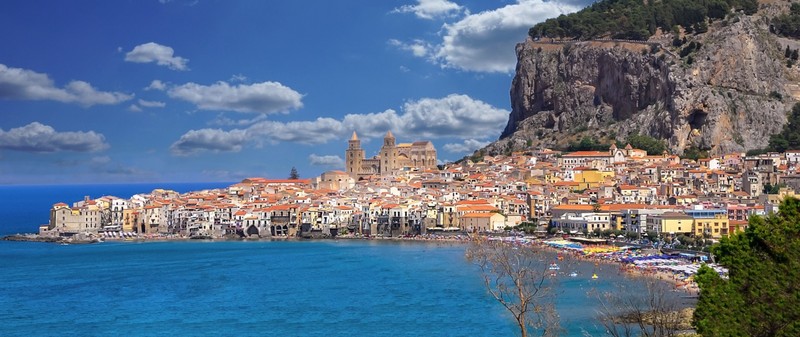
Founded in ancient times—possibly by the Greeks and later developed under Roman and Norman rule — Cefalù has preserved its rich cultural heritage while embracing modern hospitality. Its crown jewel is the majestic Cathedral of Cefalù, a UNESCO World Heritage site built in the 12th century by Norman King Roger II. With its twin towers and stunning Byzantine mosaics, the cathedral dominates the town’s skyline and offers a glimpse into Sicily’s layered past.
Visitors can stroll through narrow cobbled streets lined with artisan shops, savor fresh seafood at seaside trattorias, or relax on the town’s long sandy beach, which stretches just steps from the historic center. For panoramic views, a hike up La Rocca di Cefalù rewards adventurers with breathtaking vistas and ancient ruins, including the Temple of Diana.
From cultural treasures to natural beauty, Cefalù offers a perfect blend of relaxation and exploration. And tucked within its heart lies one of its most poetic landmarks — the Medieval Washhouse and the River Cefalino, where legend and history flow together in a timeless embrace.
The Medieval Washhouse of Cefalù and the River of Legends

Tucked away in the charming old town of Cefalù, along Via Vittorio Emanuele, lies one of Sicily’s most enchanting hidden gems: the Medieval Washhouse, or Lavatoio Medievale. This historic site, nestled within the Renaissance-era Palazzo Martino, invites visitors to step back in time and discover a place where myth and daily life once flowed side by side.
To reach it, you descend a staircase carved from “lumachella,” a warm-toned local stone flecked with fossil shells. At the bottom, a semi-covered space reveals ancient basins once used by local women to wash clothes. From twenty-two iron spouts, the crystal-clear waters of the Cefalino River still pour into the stone basins before making their way to the sea.
But this is no ordinary stream. According to Sicilian legend, the Cefalino River was born from the tears of a heartbroken nymph named Naide. Betrayed by her beloved Dafni — a shepherd and poet of divine beauty — Naide wept so deeply that her sorrow gave rise to the river itself. A Latin inscription at the washhouse commemorates this tale, describing the waters as “purer than silver, colder than snow.”
Originally built in the Middle Ages, the washhouse was demolished in 1514 and later reconstructed further inland. Around 1600, the river was covered, transforming the once open-air stream into a more secluded sanctuary. Yet the gentle murmur of the water still whispers the ancient story of love, betrayal, and transformation—echoing through the stones of Cefalù like a timeless lullaby.
