In the historic Kalsa district, a short distance from the seafront and the ancient walls of Palermo, stands Palazzo Abatellis — one of the most significant places for understanding Sicily’s artistic heritage. It is not a building that seeks attention; rather, it reveals itself gradually, like those treasures that reward visitors who take the time to look closely.
Commissioned between 1490 and 1495 by the magistrate Francesco Abatellis and designed by the architect Matteo Carnalivari, the palace is one of the finest examples of Catalan Gothic architecture in Italy. After Abatellis’ death, and with no heirs to inherit the property, the building was entrusted to Dominican nuns, who lived there for centuries. Severely damaged during the bombings of 1943, it was restored in the post‑war years and became the home of the Sicilian Regional Gallery, a role it continues to fulfil today.
What to See
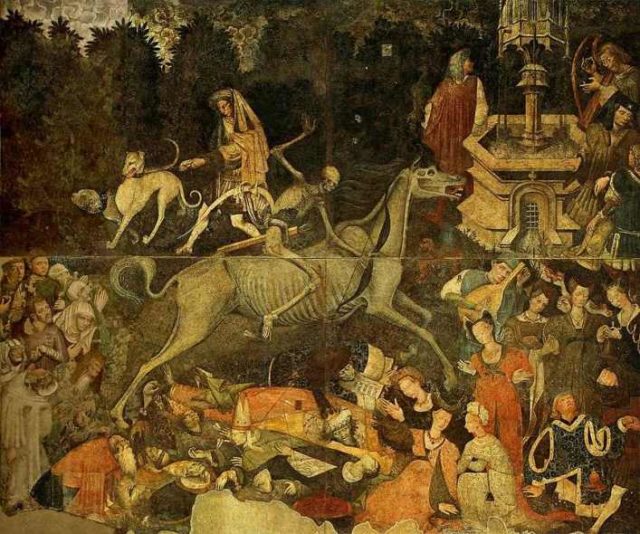
The Triumph of Death A large 15th‑century fresco of unknown authorship, remarkable for its composition and expressive power. Originally located in Palazzo Sclafani, it is considered one of the most important works of medieval European art.
The Gagini Sculptures Works by Domenico and Antonello Gagini, leading figures of the Sicilian Renaissance. Among the most notable pieces are the Virgin and Child and the Portrait of a Young Man.
The Laurana Room Dedicated to the works of Francesco Laurana, including the celebrated Bust of Eleonora of Aragon, admired for its balance and refined psychological depth.
Medieval Crucifixes A collection of wooden crucifixes, including the double‑sided work by Pietro Ruzzolone, depicting Christ Crucified on one side and the Risen Christ on the other.
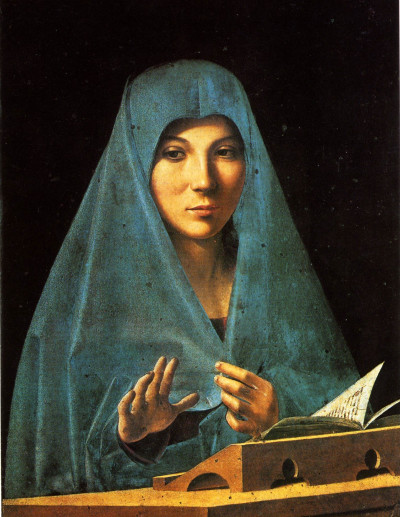
The Annunciate by Antonello da Messina Widely regarded as one of the masterpieces of the European Renaissance. The Virgin, portrayed in a moment of quiet concentration, is rendered with striking clarity and modernity.
The Malvagna Triptych Created by the Flemish painter Jan Gossaert (Mabuse), it is one of the most significant examples of foreign artistic influence in Sicily.
Practical Information
Visiting Options: The museum can be explored independently, and audio guides are available. Guided tours may be booked in advance. The layout of the rooms allows visitors to follow the development of Sicilian art from the Middle Ages to the Renaissance.
Location: Via Alloro 4, Kalsa district. The museum is easily reached on foot from the historic centre and the Foro Italico.
Opening Hours: Typically open Tuesday to Saturday, with morning and afternoon hours; Sunday openings are usually shorter. (Visitors are advised to check the latest schedule on official channels or local tourist offices.)
Tickets: Admission is paid, with reductions available for students, groups, and visitors under 25.